
Col. Henry Herman Harjes (1875-1926)
Banker, of Paris & Château d'Abondant; President of Morgan, Harjes & Co.
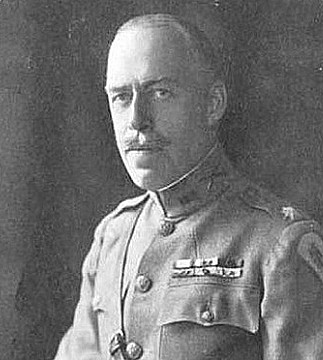
He was born in Paris, France, as an American citizen and was educated by private tutors in England and the United States. In 1896, he began his career in his father's bank, Morgan, Harjes & Co., Paris, succeeding his father as the firm's senior partner in 1909. During World War I, he played a significant behind-the-scenes role negotiating loans for the Allies which led to J.P. Morgan & Co. becoming the exclusive purchasing agent for the Allies in America. He was also Head of the American Relief Clearing House (responsible for channeling American financial contributions to France) and the chief representative of the American Red Cross in France from 1914 to 1917.
In 1906, Herman (as he was known), along with his father, were among the co-founders of the American Hospital in Paris that still exists today. On the outbreak of war in 1914, he founded a volunteer ambulance driver group called the "Harjes Formation" which later merged with Richard Norton's American Volunteer Motor Ambulance Corps to become known as the "Norton-Harjes". When America entered the war in 1917, he resigned his various administrative positions and enlisted as a Major in the U.S. Army, serving as Chief Liaison Officer between Gen. Pershing's American Expeditionary Force and the French High Command. Through a combination of his diplomatic skills, influential contacts on both sides of the Atlantic (among many other similar names, he was an old and close friend of Theodore Roosevelt), and innate leadership qualities, Harjes was, "the perfect man for securing cordial, efficient cooperation between the French and the Americans."
In August, 1918, he was wounded in action (forever afterwards carrying a lameness in his leg that may have played a role in his death) and he was promoted to Lieutenant-Colonel two months later. For his wartime service, he was awarded the Croix de Guerre twice, the Order of the Crown of Belgium, the Distinguished Service Medal, and he was created a Chevalier (1917) and then an Officer (1919) de la Legion d'Honneur. After the war, he returned to banking and played a key role in stabilizing the French franc and facilitating reconstruction in Belgium and France through his bank's prodigious lending policy.
In 1897, he married Marie, daughter of Robert Graves, of New York City, and they had two children. She died of tuberculosis while hoping for a cure in New Mexico, and in 1911 he married Frederica Berwind who grew up with her uncle Edward at The Elms in Newport. They had two further children and he adopted her son by her previous marriage. His eldest daughter was killed in a hunting accident three years before his own similar demise, and his eldest son-in-law grew up at two magnificent properties, the Palazzo Barbaro in Rome and Villa Sylvia on the Côte d'Azur. His oldest (natural) son married a daughter of the socialite and suffragist Kitty Duer, and through her was brother-in-law to Irving Berlin. Herman's sister married the jeweller, Jacques Cartier, but he never approved of the match.
He lived between his rather formidable townhouse (see images) at 49 Rue Faisanderie in Paris (now the Russian Consulate) and the historic Château d'Abondant (see images), his sprawling country estate outside Paris that he purchased in 1920 and where he indulged his passion for hunting with hounds. He was a member of the Cercle Athlétique de l'Union des Sociétés Françaises des Sports Athlétiques and Polo Club. Although he was certainly not responsible for introducing the French to Polo - as has been claimed - he was one of the premier players in France. Sadly, he was killed during a match for the Coupe Pulitzer at Deauville with Lord Mountbatten and the Duke of Penaranda, when his horse collided with another ridden by the Argentinian Martinez de Hoz. After his death Frederica bought 16 Rue Faisanderie in Paris and remarried Seton Porter. His executors were his widow and Charles Ridgely Carter, and it was the American Cathedral in Paris that perhaps remembered him best: "He made America to be honored in France."
In 1906, Herman (as he was known), along with his father, were among the co-founders of the American Hospital in Paris that still exists today. On the outbreak of war in 1914, he founded a volunteer ambulance driver group called the "Harjes Formation" which later merged with Richard Norton's American Volunteer Motor Ambulance Corps to become known as the "Norton-Harjes". When America entered the war in 1917, he resigned his various administrative positions and enlisted as a Major in the U.S. Army, serving as Chief Liaison Officer between Gen. Pershing's American Expeditionary Force and the French High Command. Through a combination of his diplomatic skills, influential contacts on both sides of the Atlantic (among many other similar names, he was an old and close friend of Theodore Roosevelt), and innate leadership qualities, Harjes was, "the perfect man for securing cordial, efficient cooperation between the French and the Americans."
In August, 1918, he was wounded in action (forever afterwards carrying a lameness in his leg that may have played a role in his death) and he was promoted to Lieutenant-Colonel two months later. For his wartime service, he was awarded the Croix de Guerre twice, the Order of the Crown of Belgium, the Distinguished Service Medal, and he was created a Chevalier (1917) and then an Officer (1919) de la Legion d'Honneur. After the war, he returned to banking and played a key role in stabilizing the French franc and facilitating reconstruction in Belgium and France through his bank's prodigious lending policy.
In 1897, he married Marie, daughter of Robert Graves, of New York City, and they had two children. She died of tuberculosis while hoping for a cure in New Mexico, and in 1911 he married Frederica Berwind who grew up with her uncle Edward at The Elms in Newport. They had two further children and he adopted her son by her previous marriage. His eldest daughter was killed in a hunting accident three years before his own similar demise, and his eldest son-in-law grew up at two magnificent properties, the Palazzo Barbaro in Rome and Villa Sylvia on the Côte d'Azur. His oldest (natural) son married a daughter of the socialite and suffragist Kitty Duer, and through her was brother-in-law to Irving Berlin. Herman's sister married the jeweller, Jacques Cartier, but he never approved of the match.
He lived between his rather formidable townhouse (see images) at 49 Rue Faisanderie in Paris (now the Russian Consulate) and the historic Château d'Abondant (see images), his sprawling country estate outside Paris that he purchased in 1920 and where he indulged his passion for hunting with hounds. He was a member of the Cercle Athlétique de l'Union des Sociétés Françaises des Sports Athlétiques and Polo Club. Although he was certainly not responsible for introducing the French to Polo - as has been claimed - he was one of the premier players in France. Sadly, he was killed during a match for the Coupe Pulitzer at Deauville with Lord Mountbatten and the Duke of Penaranda, when his horse collided with another ridden by the Argentinian Martinez de Hoz. After his death Frederica bought 16 Rue Faisanderie in Paris and remarried Seton Porter. His executors were his widow and Charles Ridgely Carter, and it was the American Cathedral in Paris that perhaps remembered him best: "He made America to be honored in France."
Parents (2)


Spouses (2)


Categories
Share
Gentleman Volunteers; The New York Times; and the French National Archives