
Sir Robert Shafto Hawks of Gateshead (1768-1840)
Engineer and Member of Britain's Industrial Elite
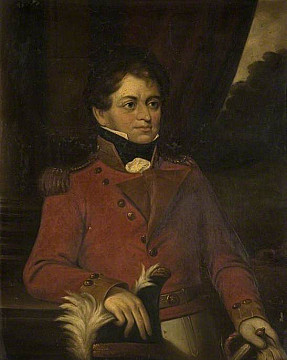
Sir Robert Shafto Hawks was born in 1768 into a family whose name would become synonymous with industrial innovation in the northeast of England. He was the son of William Hawks, a pioneering ironmaster who founded the Gateshead-based ironworks that would evolve into one of the most important engineering firms of its time. The Hawks family played a central role in Britain’s industrial development during the late 18th and early 19th centuries, contributing not only to regional prosperity but to the wider infrastructure of a modernizing empire. When William Hawks died in 1810, his son, Robert Shafto Hawks, inherited leadership of the family business, then known as Hawks and Co. Under his management, the company grew significantly in scale and reputation. It became a key supplier of heavy iron goods—anchors, chains, steam engine components, and bridge ironwork—serving both domestic markets and global clients. Hawks and Co. won lucrative contracts from the British Admiralty, producing iron for warships during the Napoleonic Wars, and also supplied materials to the East India Company. He raised an army for the Duke of Wellington.
The firm’s industrial output was central to the Royal Navy’s operational success and supported Britain’s imperial and commercial expansion. By the 1830s, the company’s Gateshead site spanned over 44 acres and employed 800 to 900 workers, making it one of the largest employers in the North East. The Hawks ironworks was known not only for its scale but for its technical excellence, and its iron would later be used in landmark engineering projects such as the High Level Bridge over the River Tyne, completed in 1849. In 1790, Hawks married Hannah Pembroke Akenhead, with whom he had two sons. Their younger son, David Hawks, was blind from birth but gifted in music. From an early age, David was celebrated as a musical prodigy, composing military marches that were published and performed. Their elder son, William Hawks, entered the Church, following a religious vocation. Sir Robert Shafto Hawks died in 1840, having guided the Hawks ironworks through a transformative period in British history. Beyond the ironworks, Robert Shafto Hawks was active in public life. The early 19th century was a time of widespread civil unrest in Britain, particularly during the post-war depression and economic hardship following the Napoleonic Wars. In 1817, amid a period of political rioting and instability, Hawks played a leading role in supporting local authorities to restore order. His efforts were recognised nationally, and he was knighted by the Prince Regent (later King George IV) in the same year for his services to public order and the Crown.
The firm’s industrial output was central to the Royal Navy’s operational success and supported Britain’s imperial and commercial expansion. By the 1830s, the company’s Gateshead site spanned over 44 acres and employed 800 to 900 workers, making it one of the largest employers in the North East. The Hawks ironworks was known not only for its scale but for its technical excellence, and its iron would later be used in landmark engineering projects such as the High Level Bridge over the River Tyne, completed in 1849. In 1790, Hawks married Hannah Pembroke Akenhead, with whom he had two sons. Their younger son, David Hawks, was blind from birth but gifted in music. From an early age, David was celebrated as a musical prodigy, composing military marches that were published and performed. Their elder son, William Hawks, entered the Church, following a religious vocation. Sir Robert Shafto Hawks died in 1840, having guided the Hawks ironworks through a transformative period in British history. Beyond the ironworks, Robert Shafto Hawks was active in public life. The early 19th century was a time of widespread civil unrest in Britain, particularly during the post-war depression and economic hardship following the Napoleonic Wars. In 1817, amid a period of political rioting and instability, Hawks played a leading role in supporting local authorities to restore order. His efforts were recognised nationally, and he was knighted by the Prince Regent (later King George IV) in the same year for his services to public order and the Crown.