
Margaret (Carey) Zborowski (1853-1911)
Mrs. Margaret Laura (Carey) de Stuers, Zborowski
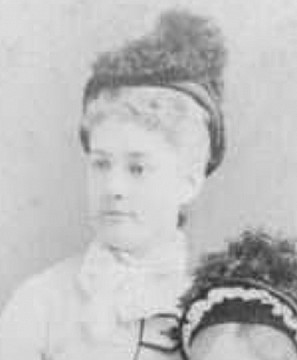
Born in New York City, "Maggie" (to her friends) was a granddaughter of "The Landlord of New York," William Backhouse Astor, to whom she owed her fortune. In her debutante year in Newport rumors began to swirl of her attachment to the dashing, charming polo player, Elliott Zborowski. But, when her marriage was announced, many were surprised to discover that she had accepted the hand of Baron Alphonse de Stuers, then the Dutch Chargé d’Affaires to the United States, and a man twelve years her senior. They were married in 1875 in the Drawing Room of her parents' brownstone in New York. Maggie's bridesmaids were Emily Astor, Daisy Rutherfurd, Minnie Rhinelander, and FDR's mother, Sara Roosevelt, who described the Dutch diplomat as, "the nicest foreigner I have ever met." Nice he may have been, but it would later transpire that the bonafide baron was no substitute for the fake count, Zborowski. However, Maggie already had a reputation in society for her “exceedingly eccentric and interesting” personality, never caring for what others - including her own family, up to a point - thought of her.
In public, the married life of the de Stuers saw them mix in the highest circles in Paris, Madrid and London. But by 1889, in private, Maggie could take no more and she attempted to secure a divorce while in Newport. Her efforts were thwarted by her aunt who would not hear of it - the Mrs. Astor was a fierce defender of marriage in the face of her own husband’s infidelities. Maggie's uncle however, John Jacob Astor, was more sympathetic and on his advice in 1891 she fled to Sioux Falls in South Dakota, the divorce capital of the United States, "a mecca for the mismatched". In her testimony in 1892, Maggie related that Alphonse was, "rude to my friends, especially my American friends, and humiliated me in their presence... He said I was ‘a savage American’ and a ‘baby,’ and that I didn’t know how to behave myself.” But the straw that broke the camel's back came in 1890 when Maggie related how the baron tried to have her committed to the Female Insane Asylum in Paris. Her fainting spells and her nervous and irritable tempers had worsened since the death of her nine year old daughter in 1884, and according to Maggie, Alphonse used this as grounds to have her institutionalized. Having already taken her three remaining children away and left her alone in the house with the doctors, Maggie fled that night, and with the help of friends in Hamburg was found one year later in Sioux Falls.
But the courtroom drama was not over. Alphonse's lawyers explained that Maggie had rekindled her affections for Elliott Zborowski in 1888, and her lost year in 1890 was spent in his company, she having left her family in Paris to run away with him - then going under the pseudonym "William Elliott" - in London where they lived on the same street before departing together on a steamer bound for Bombay where they claimed to be a duke and duchess. Witnesses recalled, "a tall, handsome blonde (with) the air of a woman accustomed to continental life. She smoked cigarettes on deck." In another surprise, Maggie’s younger brother, Arthur Astor Carey, testified on behalf of Alphonse: “As to the baron’s treatment of my sister, I should say that he never treated his wife in a cruel or inhuman way. He was intentionally kind and considerate.” But, one last surprise awaited the enthralled courtroom: When her husband's lawyers put it to her, "is it true that you intend to marry Mr. Elliott?" Maggie - and Elliott, still going under the pseudonym William Elliott, but who had up until then been seated quietly in the front row of the courtroom throughout the proceedings - looked at each other, and laughed. One month later, Maggie was granted a divorce, and on the following day she and Elliott were married.
The judge awarded Maggie custody of her youngest daughter, Marguerite, then believed to be hidden away in a French convent, but she did not seek custody of her sons. Although now free, Maggie and Elliott were shunned by American society and they left for Europe, even though there she was still Mme. de Stuers. Despite rumors that if Alphonse and Elliott were ever to meet there would be pistols at dawn, on hearing of their arrival, Alphonse gained a judicial separation in the French courts. In a reverse of the decision in America, he was now granted custody of their daughter, Marguerite, and Maggie was never again reconciled with their children. When she died in 1911 with a fortune of just under $3.1-million, she had wills drawn up in England and the States (having property in both countries), in which she entirely cut out her two surviving children by Alphonse - Marguerite and Bertie - claiming that "they had never shown her filial affection." They contested the wills, that were quickly settled out of court for an undisclosed sum.
After leaving America, Maggie and Elliott based themselves in England at Coventry House (purchased by Elliott in 1886) near Melton Mowbray while intermittently renting houses in London, Paris and Genoa. Elliott continued to indulge his passions for fox-hunting and motor-car racing - which cost both him and he and Maggie's only surviving son their lives. After Elliott's death, Maggie moved into Bridge Hill House near Canterbury, keeping 15 South Audley Street in London's Mayfair. In 1910, she paid £17,500 for Higham Park (see images) and its 224-acres. The property and art within was valued at $150,000, while the reparation work set her back $250,000 (£50,000). She inherited $1.1-million from Elliott in 1903, and her grandfather's wedding gift of $50,000 back in 1875 had since swollen into a $2-million fortune. She left everything including Higham Park and its contents to her only surviving son by Elliott, Louis, who was then 16-years old, along with instructions for his care which included his father's insistence that he be educated in England. She's buried next to Elliott and Louis in Burton Lazars, Leicestershire.
In public, the married life of the de Stuers saw them mix in the highest circles in Paris, Madrid and London. But by 1889, in private, Maggie could take no more and she attempted to secure a divorce while in Newport. Her efforts were thwarted by her aunt who would not hear of it - the Mrs. Astor was a fierce defender of marriage in the face of her own husband’s infidelities. Maggie's uncle however, John Jacob Astor, was more sympathetic and on his advice in 1891 she fled to Sioux Falls in South Dakota, the divorce capital of the United States, "a mecca for the mismatched". In her testimony in 1892, Maggie related that Alphonse was, "rude to my friends, especially my American friends, and humiliated me in their presence... He said I was ‘a savage American’ and a ‘baby,’ and that I didn’t know how to behave myself.” But the straw that broke the camel's back came in 1890 when Maggie related how the baron tried to have her committed to the Female Insane Asylum in Paris. Her fainting spells and her nervous and irritable tempers had worsened since the death of her nine year old daughter in 1884, and according to Maggie, Alphonse used this as grounds to have her institutionalized. Having already taken her three remaining children away and left her alone in the house with the doctors, Maggie fled that night, and with the help of friends in Hamburg was found one year later in Sioux Falls.
But the courtroom drama was not over. Alphonse's lawyers explained that Maggie had rekindled her affections for Elliott Zborowski in 1888, and her lost year in 1890 was spent in his company, she having left her family in Paris to run away with him - then going under the pseudonym "William Elliott" - in London where they lived on the same street before departing together on a steamer bound for Bombay where they claimed to be a duke and duchess. Witnesses recalled, "a tall, handsome blonde (with) the air of a woman accustomed to continental life. She smoked cigarettes on deck." In another surprise, Maggie’s younger brother, Arthur Astor Carey, testified on behalf of Alphonse: “As to the baron’s treatment of my sister, I should say that he never treated his wife in a cruel or inhuman way. He was intentionally kind and considerate.” But, one last surprise awaited the enthralled courtroom: When her husband's lawyers put it to her, "is it true that you intend to marry Mr. Elliott?" Maggie - and Elliott, still going under the pseudonym William Elliott, but who had up until then been seated quietly in the front row of the courtroom throughout the proceedings - looked at each other, and laughed. One month later, Maggie was granted a divorce, and on the following day she and Elliott were married.
The judge awarded Maggie custody of her youngest daughter, Marguerite, then believed to be hidden away in a French convent, but she did not seek custody of her sons. Although now free, Maggie and Elliott were shunned by American society and they left for Europe, even though there she was still Mme. de Stuers. Despite rumors that if Alphonse and Elliott were ever to meet there would be pistols at dawn, on hearing of their arrival, Alphonse gained a judicial separation in the French courts. In a reverse of the decision in America, he was now granted custody of their daughter, Marguerite, and Maggie was never again reconciled with their children. When she died in 1911 with a fortune of just under $3.1-million, she had wills drawn up in England and the States (having property in both countries), in which she entirely cut out her two surviving children by Alphonse - Marguerite and Bertie - claiming that "they had never shown her filial affection." They contested the wills, that were quickly settled out of court for an undisclosed sum.
After leaving America, Maggie and Elliott based themselves in England at Coventry House (purchased by Elliott in 1886) near Melton Mowbray while intermittently renting houses in London, Paris and Genoa. Elliott continued to indulge his passions for fox-hunting and motor-car racing - which cost both him and he and Maggie's only surviving son their lives. After Elliott's death, Maggie moved into Bridge Hill House near Canterbury, keeping 15 South Audley Street in London's Mayfair. In 1910, she paid £17,500 for Higham Park (see images) and its 224-acres. The property and art within was valued at $150,000, while the reparation work set her back $250,000 (£50,000). She inherited $1.1-million from Elliott in 1903, and her grandfather's wedding gift of $50,000 back in 1875 had since swollen into a $2-million fortune. She left everything including Higham Park and its contents to her only surviving son by Elliott, Louis, who was then 16-years old, along with instructions for his care which included his father's insistence that he be educated in England. She's buried next to Elliott and Louis in Burton Lazars, Leicestershire.
Parents (2)


Spouses (2)





Categories
Share
https://magazine.atavist.com/2015/the-divorce-colony
https://timesmachine.nytimes.com/timesmachine/1913/06/20/100271254.pdf?pdf_redirect=true&ip=0
https://timesmachine.nytimes.com/timesmachine/1913/06/20/100271254.pdf?pdf_redirect=true&ip=0